Children's lessons
A child starts in a brook and finishes in the ocean
Eight levels, from their first proper lesson to swimming two hundred metres without stopping. Here's exactly what happens at each one.
Most swim schools will tell you which level your child is in. Fewer will tell you what that means.
So here is the lot. Every level, and the ten things your child will be working on while they're in it. Have a read and you'll probably be able to place your own child before you ever ring us.
Nobody moves up on a date. They move up when they can do these things, and no two children take the same time over it.
Level 1 · Taught together
Brook Otter
Foundations for independence
The very first level. Your child is getting used to the water, learning to put their face in, and finding out that they can float.
A child starting Brook may have come up through our toddler and transition classes, or may be new to lessons altogether. They don't need to be able to swim.
What they'll be working on
- Getting in and out of the pool safely and calmly, on their own
- Finding their feet again from floating on their front and on their back, with support
- Kicking with an alternating leg action while holding a woggle or float
- Blowing bubbles with their mouth in the water
- Putting part or all of their face in the water, when they're ready
- Floating on their front and back with gentle support
- First reaching and pulling arm movements, held up on their front
- Pushing and gliding from the wall with support
- Travelling a short way on their back with a woggle or float, keeping a good body position
- Listening carefully, following the pool rules and getting used to how a lesson works
Level 2 · Taught together
Stream Otter
First independent skills and going under
This is where your child swims on their own for the first time, without anything holding them up.
A child starting Stream is confident with their face in the water and can kick with a float.
What they'll be working on
- Travelling 5 metres on their own, front or back paddle, with no float
- Putting their whole face and head under the water with confidence, when they're ready
- Picking objects up from the water, no deeper than 30cm
- Holding a star float on their back with no support for a count of three, then finding their feet
- Floating on their front with very little support, trying to put their face in, then finding their feet
- Kicking on their front for 2 metres with no float
- Kicking on their back for 2 metres with no float
- Rolling like a log, front to back and back to front, keeping a tight body position
- Blowing bubbles while they're moving through the water
- Moving between activities without being prompted, and following the lesson themselves
Level 3
River Otter
Stroke foundations, control and linking skills
Your child is swimming proper distances now and the recognisable strokes start to appear.
A child starting River can swim 5 metres unaided and is happy going under the water.
What they'll be working on
- Swimming 10 metres on their front with no float, using front paddle
- Swimming 10 metres on their back with no float, using back paddle
- A basic front crawl arm action while swimming
- A basic backstroke arm action while swimming
- A breaststroke leg kick, holding a float or with support
- A pencil jump into the water — straight body, controlled landing
- Pushing and gliding from the wall in a straight, streamlined shape with their face in
- Floating on their front and back on their own, and recovering safely
- Treading water with the right arm action, using a float
- Swimming 5 metres on their front, rolling over, and carrying on for 5 metres on their back without stopping
Level 4
Marsh Otter
The last beginner level — control, coordination and confidence
The level where it all starts coming together. Three strokes, longer distances, and the confidence to go under and fetch something off the bottom.
A child starting Marsh can swim 10 metres front and back unaided.
What they'll be working on
- Swimming 15 metres on their front, on their own
- Swimming 15 metres on their back, with better control and rhythm
- Front crawl with improving coordination, and a first go at breathing to the side with support
- Breaststroke for 5 to 10 metres using floats, putting arms and legs together
- A first go at the dolphin leg action
- Holding a streamlined push and glide, front and back, for longer before they start swimming
- A mushroom float — tucking into a ball and recovering safely
- Going under confidently to collect something off the pool floor, around a metre down
- Treading water for about 10 seconds, head above water, calm
- A pencil jump, 10 metres front crawl, a smooth roll over, and on into backstroke
Level 5
Coastal Otter
The national curriculum 25 metres, and a lot more besides
The level everyone has heard of. Twenty-five metres, unaided, one proper stroke — the standard the national curriculum asks for.
A child starting Coastal can swim 15 metres front and back and has met all three main strokes.
What they'll be working on
- Swimming 25 metres without stopping, using one proper stroke — front crawl, backstroke or breaststroke
- Early breaststroke timing, putting arms and legs together with a glide
- Butterfly arm circles on their back, getting a feel for the movement
- Better dolphin kick control over short distances
- 20 metres of front crawl with a better body position and rhythm
- 20 metres of backstroke with a smoother arm action and straighter body
- Treading water on their own for 20 to 30 seconds
- Floating, rolling over and carrying on swimming
- Simple sculling, which builds balance and a feel for the water
- Jumping in, swimming out, turning, swimming back and climbing out safely
Level 6
Sea Otter
Stroke refinement, real distance, and variety
This is where distance arrives. Fifty metres front and back, all four strokes on the go, and the first turns.
A child starting Sea has swum their 25 metres and is ready to build on it.
What they'll be working on
- Swimming 50 metres of front crawl with improving technique
- Swimming 50 metres of backstroke with a good body position
- Swimming 25 metres of breaststroke with clearer timing
- Swimming 10 metres of simple butterfly, dolphin kick with a basic arm action
- Holding a strong streamlined glide, which sets up the longer swims
- Treading water for 45 seconds to a minute, sculling with a safe leg action
- Simple turning skills — rotations and forward rolls
- Linking front crawl into backstroke with a smooth roll, and swimming on
- A surface dive, through a hoop, and collecting something off the pool floor
- A water safety sequence — float, roll, swim to the side
Level 7
Ocean Otter
Turns, starts, medley and real stamina
A hundred metres without stopping, tumble turns, and a first medley. This is club-level work.
A child starting Ocean can swim 50 metres front and back and has met all four strokes.
What they'll be working on
- Swimming 100 metres without stopping, using two different strokes of their choosing
- A tumble turn, with confidence and control
- A backstroke turn
- A poolside start, and strong underwater gliding using dolphin kicks off push-offs and turns
- A confident head-first surface dive, swimming underwater a set distance before coming up
- Treading water for a minute, with strong sculling and an arm out of the water
- A mini medley — 10 metres each of butterfly, backstroke, breaststroke and front crawl
- Better breaststroke, up to 40 metres with good coordination
- Better butterfly, up to 20 metres with good coordination
- A full survival sequence — float, tread, swim to safety, climb out
Level 8
Elite Otter
Two hundred metres, advanced watermanship, everything linked
The top of the scheme. Two hundred metres continuous, every turn, old English backstroke and a full survival sequence.
A child starting Elite can swim 100 metres using two strokes and has their turns.
What they'll be working on
- Swimming 200 metres without stopping, using at least two proper strokes
- A confident tumble turn swimming front crawl
- A backstroke turn, rolling smoothly into a streamlined push-off
- Strong underwater gliding, dolphin kicking off push-offs and turns
- A controlled head-first surface dive and a short swim underwater
- Treading water for 45 seconds to a minute, with stamina and strong body control
- Old English backstroke for 20 metres
- The extended medley, 4 by 20 metres, for stronger swimmers who want the challenge
- A high-level linked sequence — swim, turn, underwater, stroke, tread, roll, swim to safety
- A full survival sequence — float, tread, swim to safety, climb out safely
Every five metres counts
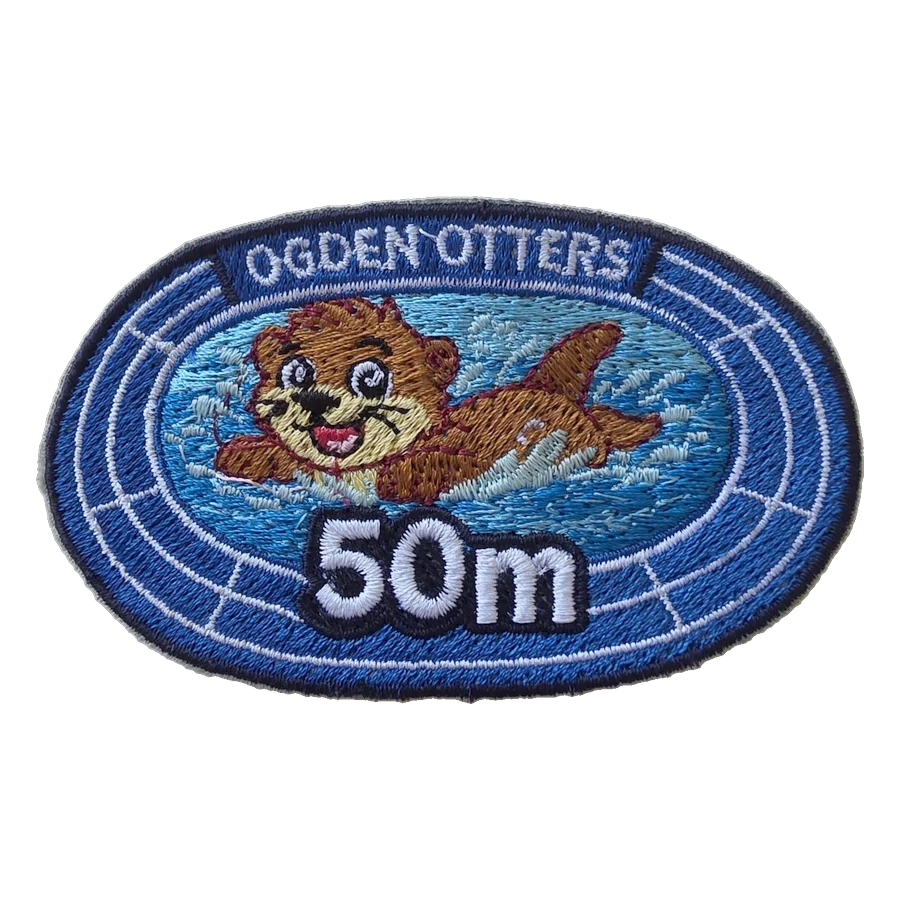
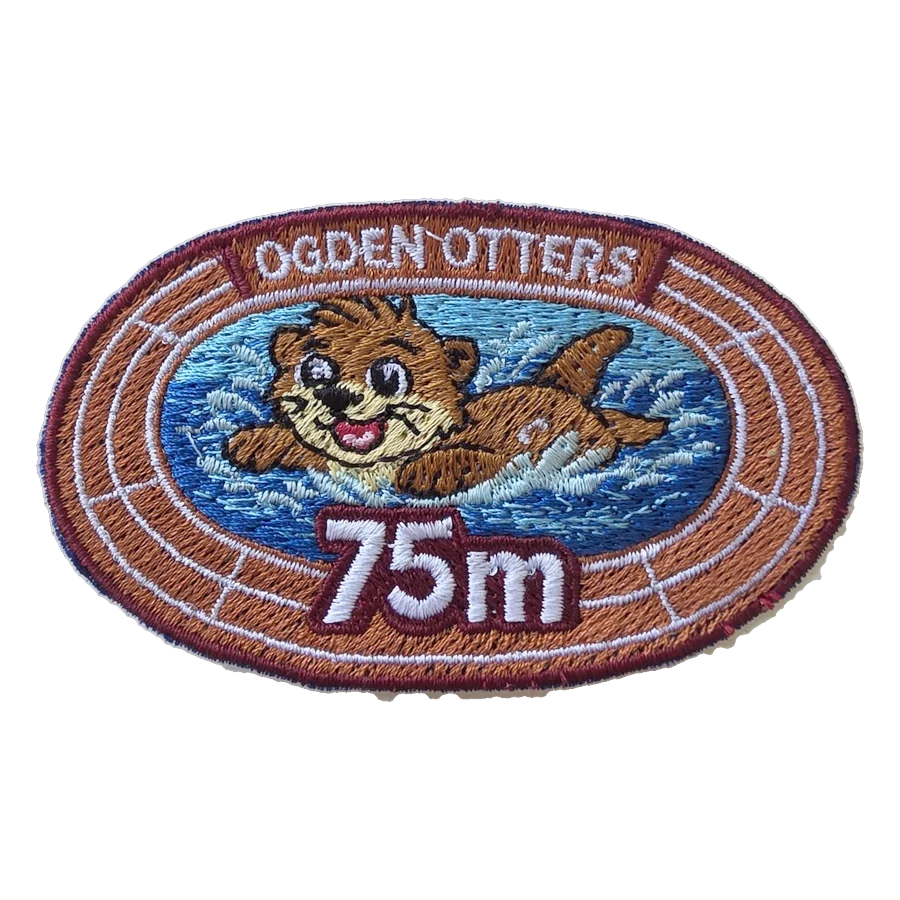
The national curriculum records swimming as pass or fail at 25 metres. That means a child who couldn't swim a stroke in September and can now manage fifteen metres on their own has, officially, achieved nothing.
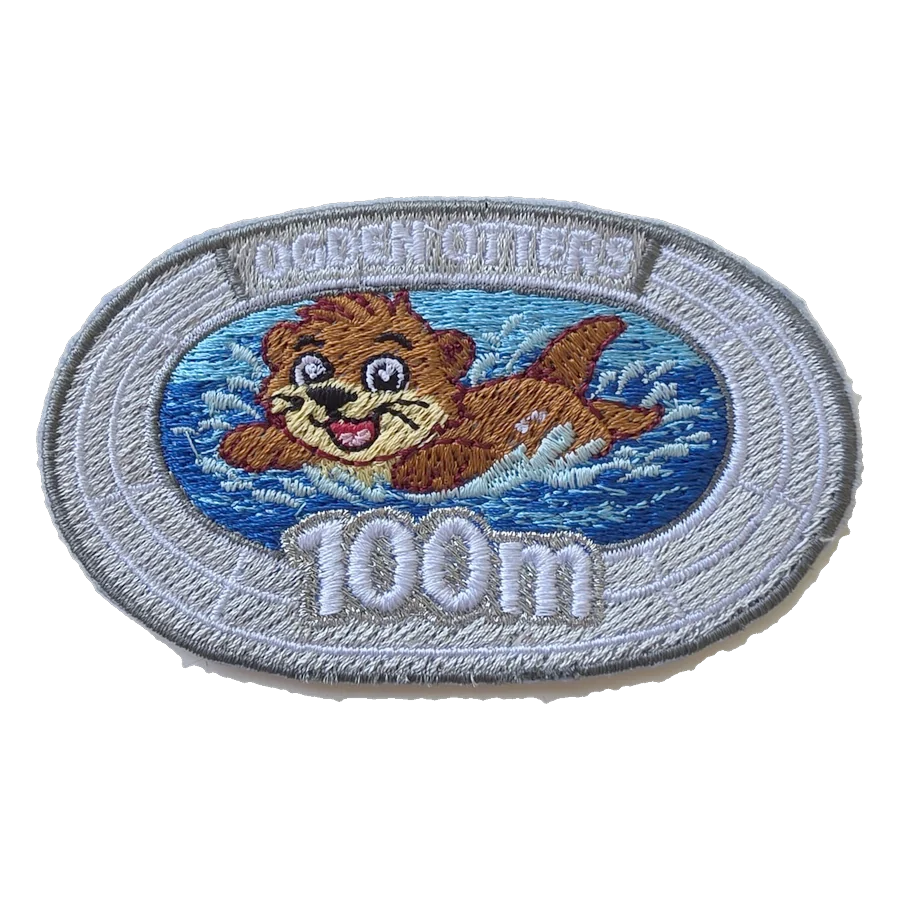
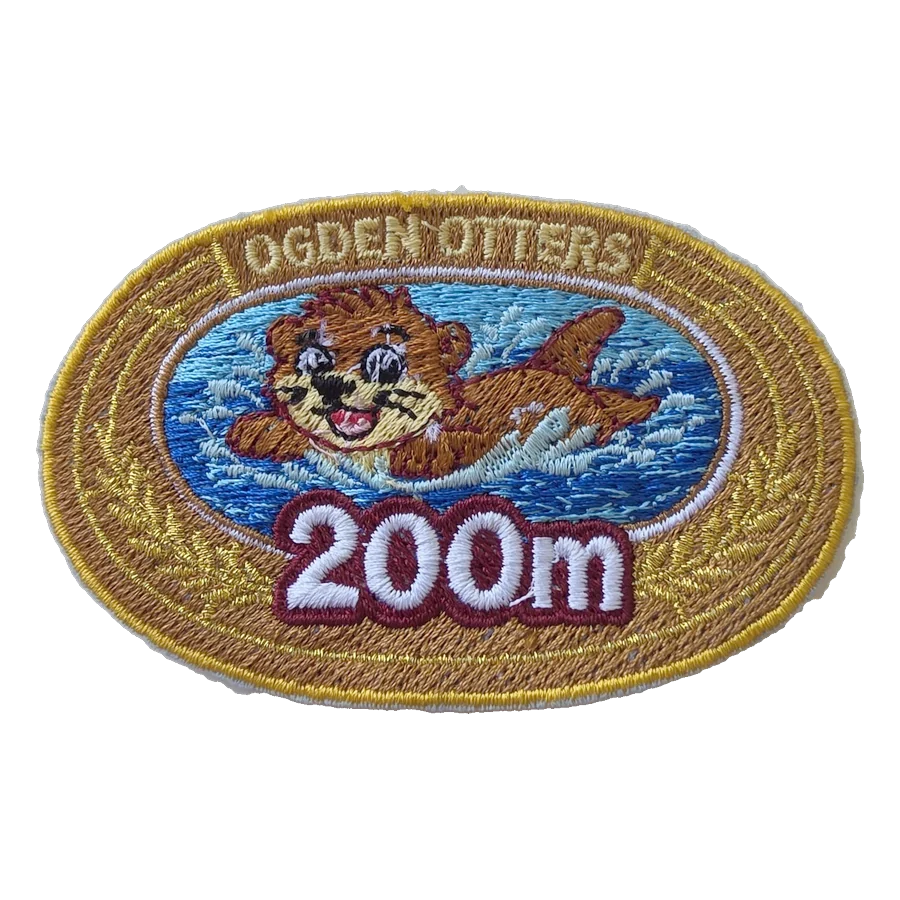
We record every five metres, and every one of them gets a distance award.
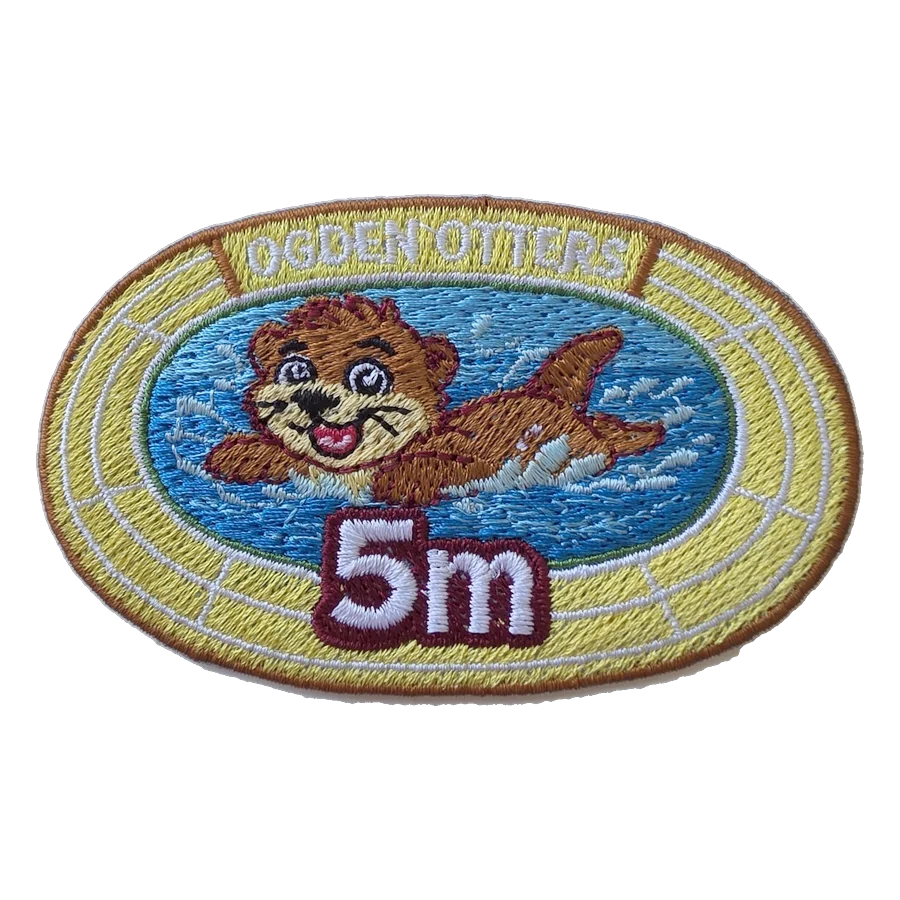
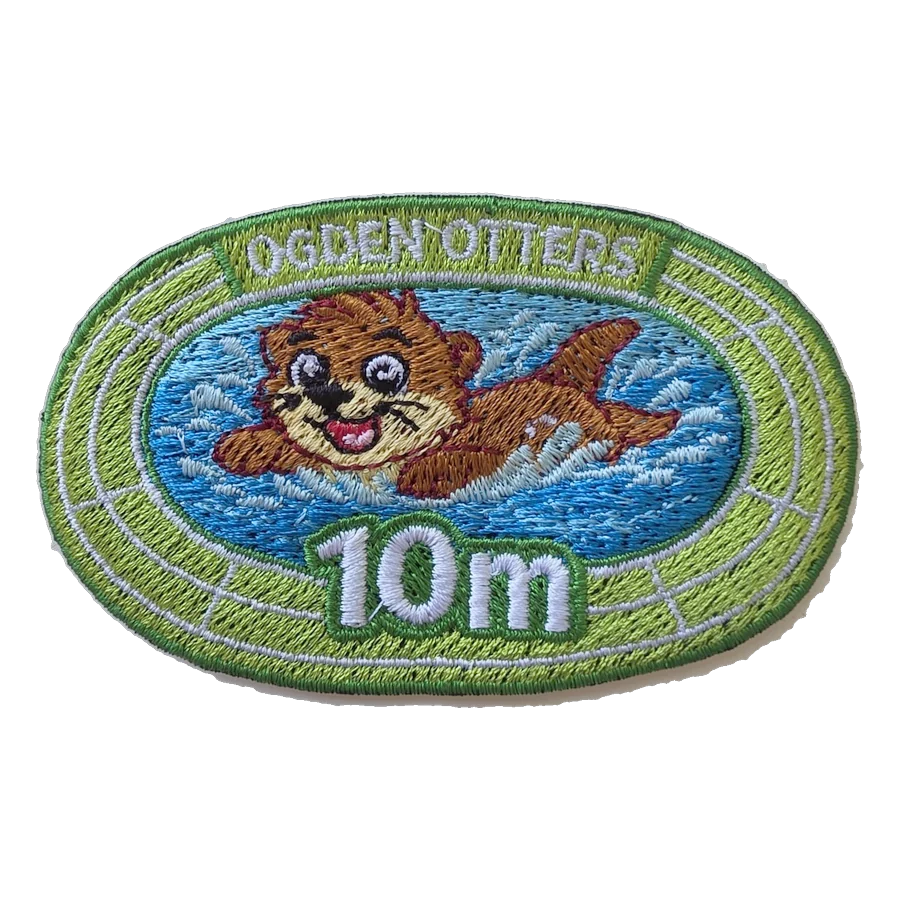
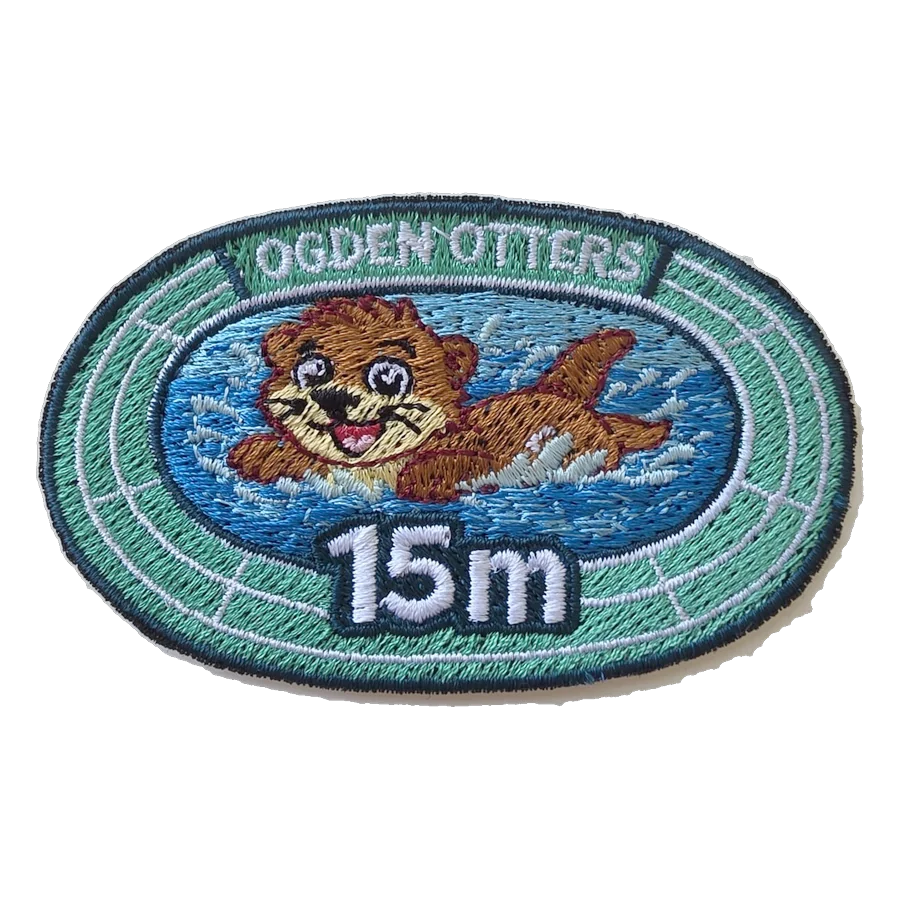
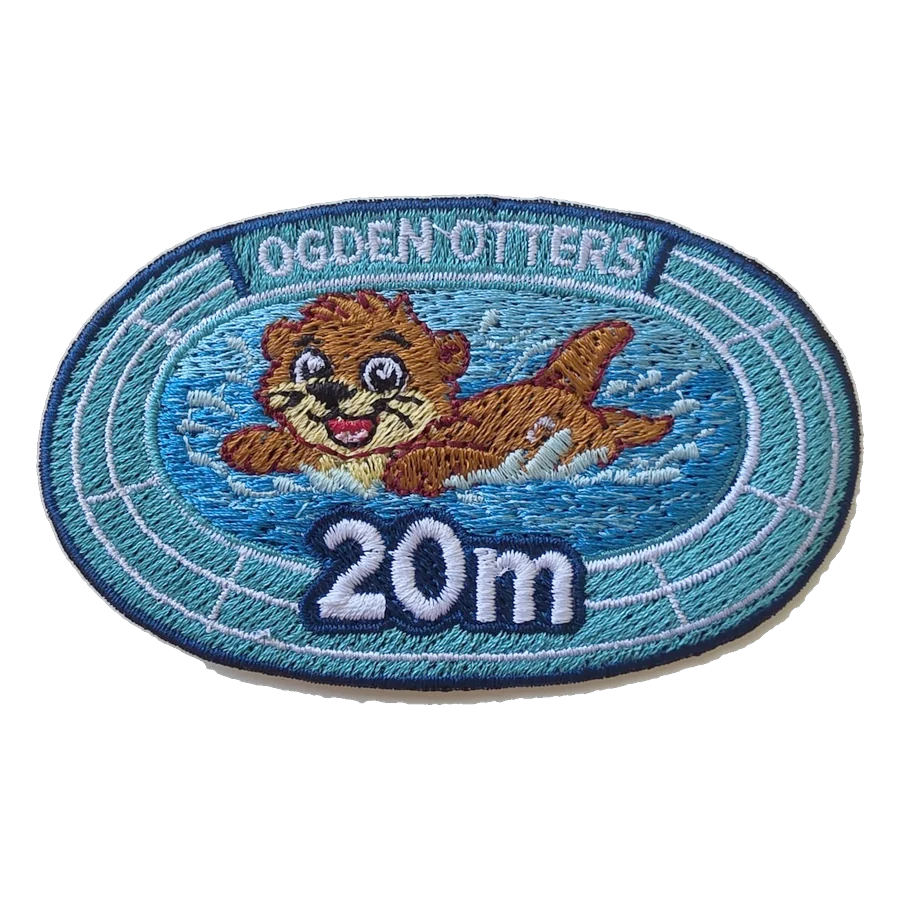
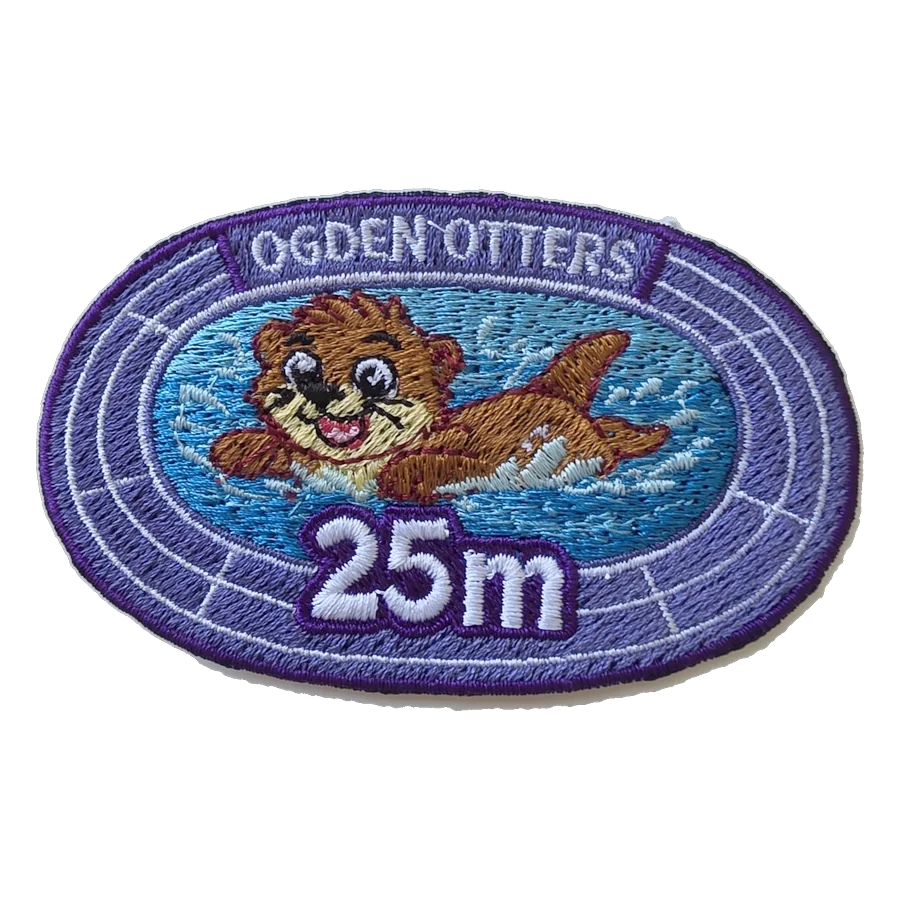
And they carry on well past the twenty-five.
Why we don't stop at Level 5
Level 5 is where a child swims 25 metres unaided. That's the national curriculum standard, and it's where most children leave a swimming school.
Children who get into difficulty in open water usually aren't children who can't swim. They're children who can't swim for long enough.
Cold water, clothes, no wall to hold, nobody within reach. The distance between where you fall in and somewhere you can get out is almost never twenty-five metres.
How the classes run
Up to six children with a teacher. If a seventh joins the class, a teaching assistant joins too — so there are two members of staff and more eyes on the pool, which means more swimming, not less.
In Levels 1 to 4 teachers work both in and out of the water, so there's always someone in there when a child needs a hand.
How strokes are taught
We teach a stroke whole, then take out the bit that needs work, then put it back. Body position first, then legs, then arms, then breathing, then putting it all together.
Not sure where they'd start?
Ring us and tell us what your child can do. We'll tell you which level that is, and if we're not sure we'll pop them in the water and find out properly.